Space activators are elements that directly influence the atmosphere, functionality, and aesthetics of a space. They not only shape our perception of a space, but also impact our mood, productivity, and health. Among all the activators, light holds a special place – it is more than just a basic visual element because it triggers the experience of the space and connects function with emotions. Along with light, there are also artworks, sparkling or valuable items, and plants.
In this blog, we will explore how light can transform a space and how to use it smartly to achieve the desired effect.
Light as the Primary Space Activator
Light has an incredible ability to shape a space – it determines how we see, feel, and use it. The quality, intensity, and color of light can make the difference between a cold, sterile environment and a pleasant, warm space. There are two key types of light to consider: natural light and artificial lighting.

Natural Light – A Driver of Health and Productivity
Sunlight has a significant impact on our biological rhythm, known as the circadian rhythm. Adequate natural light during the day improves concentration, boosts mood, and increases productivity. Additionally, well-lit interiors feel more spacious and fresher.
How to Maximize Natural Light in a Space:
- Placing mirrors to reflect light and brighten dark corners.
- Using light colors on walls and floors to enhance the lighting effect.
- Large windows and glass surfaces allow more natural light to enter.
- Sheer curtains instead of heavy drapes allow more light to pass through while maintaining privacy.
Artificial Lighting – Creating Ambiance After the Sun Sets
When natural light is insufficient, artificial lighting takes over as an activator. Well-designed lighting can completely change the atmosphere of a space and adapt it to various needs – from relaxation to work.
Three Basic Types of Lighting to Combine:
- Ambient Lighting – The main source of light in a room, typically ceiling lamps or built-in LED strips.
- Accent Lighting – Directed towards specific points, like artwork, shelves, or architectural details, to create focus.
- Task Lighting – Desk lamps, bedside lamps, or kitchen lights that illuminate specific zones for work or reading.
Gold as a Symbol of Light and Vitality
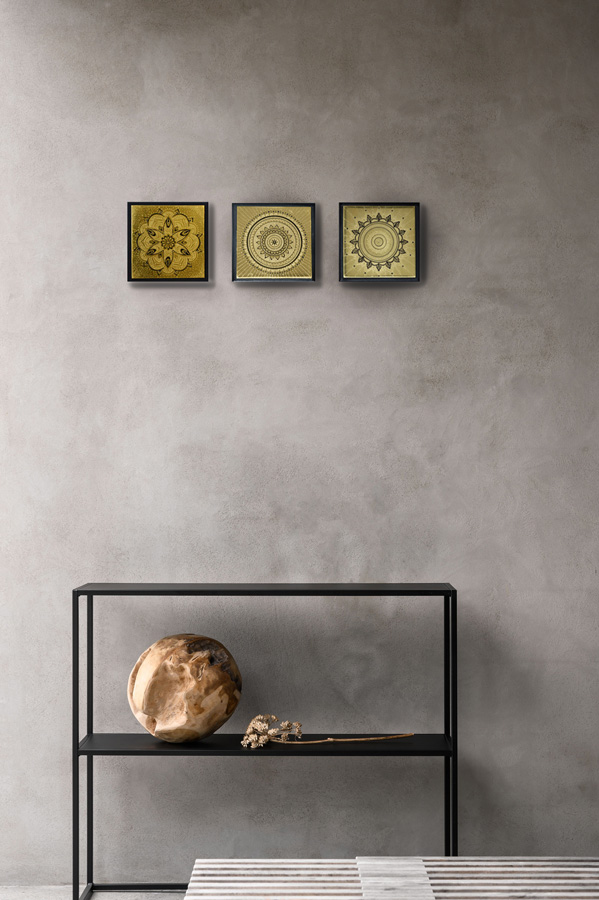
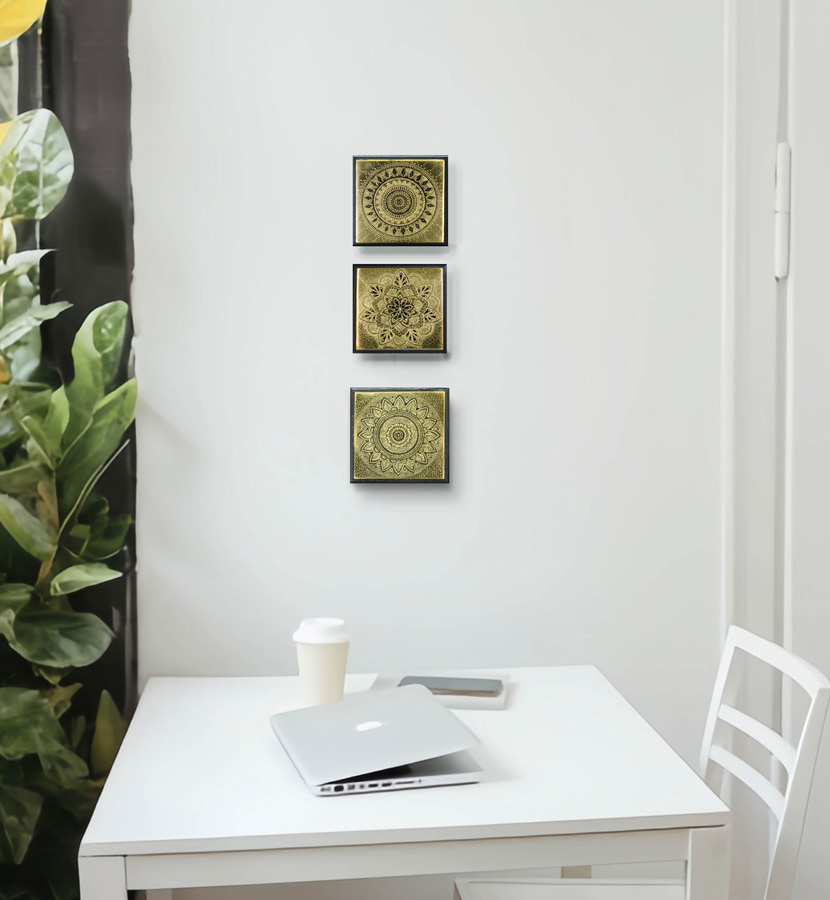
Gold has been used for centuries as a symbol of sunlight, power, and prosperity. In interior design, gold accents not only attract attention but also convey warmth and well-being. When light hits golden surfaces, it reflects and scatters, making the space brighter and more dynamic. This vibrant play of light can serve as a visual accent and add energy to a room.
Impact in Space:
- Golden items bring a sense of exclusivity and elegance.
- The reflection of light from golden surfaces creates a play of light and shadow, initiating a visual flow and enhancing the perception of space.
- Gold symbolizes strength and stability, contributing to the balance of energy within the space.
Golden objects, such as Light Particles, play a role in activating energy, creating light dynamics, and bringing a sense of luxury and well-being. Their ability to reflect light and bring warmth into a space makes them ideal activators. Combined with properly chosen lighting, these objects can transform any room into a place filled with energy, elegance, and harmony.